


The African film industry currently pulses with brilliance. For every film that reaches the spotlight, countless others are still in the making; stories still waiting in the wings, carried by voices just as vivid, just as bold. Somewhere on the continent, an unknown new actor delivers a performance that could stop hearts; in another region, a writer pens dialogue that crackles with life; and in a remote town, a director moves the camera not with a crane, but with instinct, imagination, and maybe even a Wi-Fi signal.
But for this dispersed brilliance to find full expression, it requires a parallel kind of innovation as well. The vitality of African cinema today depends not only on its creatives, but also on the emergence of strategically minded cinephiles willing to engage with the infrastructural and commercial dimensions of film distribution.
Stay ahead of Kenya & East Africa’s film and TV.
Get our stories in your inbox — Subscribe to our newsletter now.
One recent example of this innovation is Screen Connect – a new Pan-African distribution initiative committed to delivering high-quality, culturally relevant African films to cinemas across the continent, and expanding access to diverse African stories in both mainstream and independent spaces.
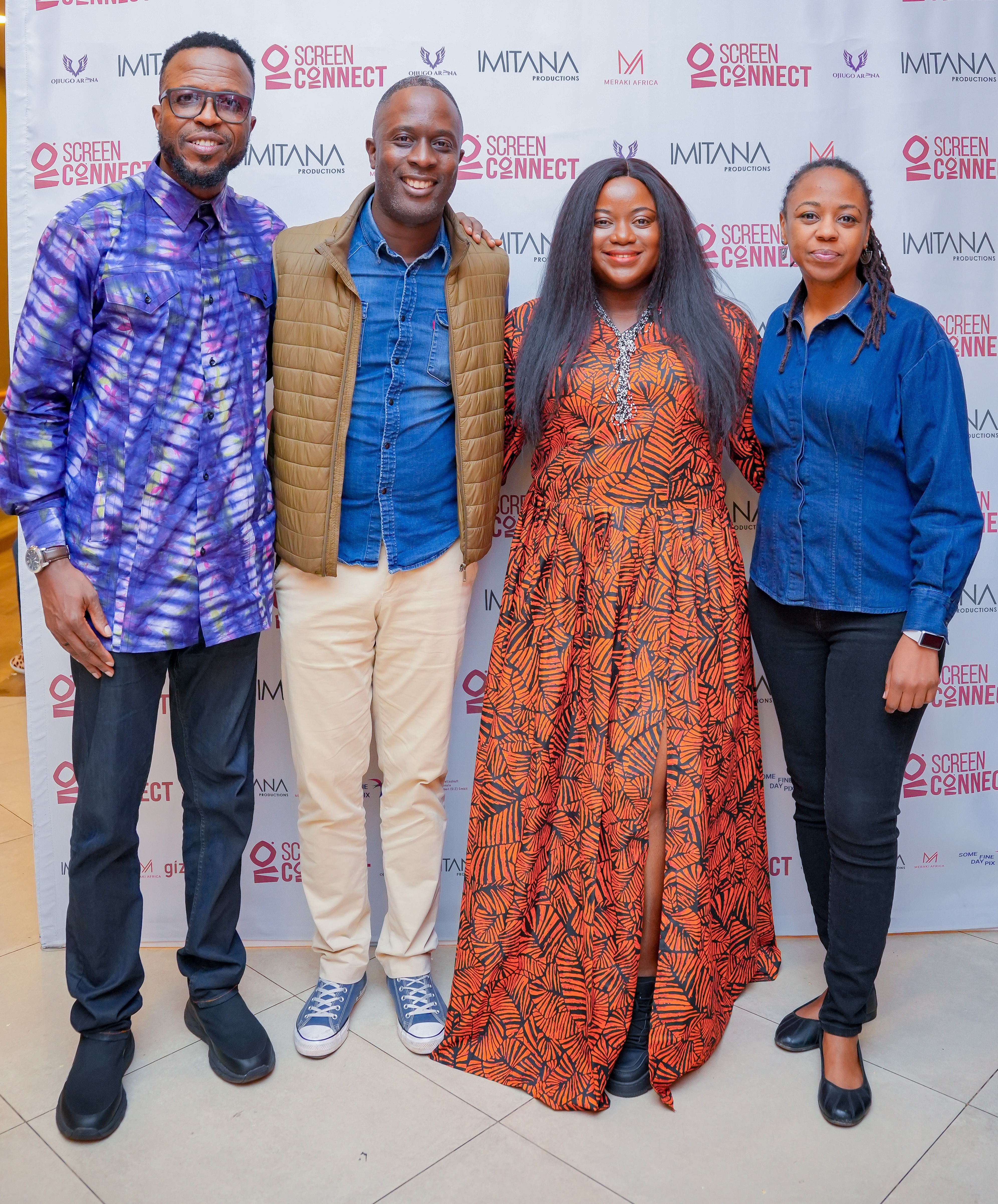
For its first project, the initiative – founded by Nigeria’s Cassandra Onwualu, Kenya’s Marete Selvin and Rwanda’s Mizero Yannick – brought the Nigerian psychological thriller Over the Bridge to cinemas in Kenya in June.
I recently sat down with Onwualu to explore how Screen Connect aims to reconfigure the African cinema ecosystem. A producer and distribution and marketing strategist with seven years in the industry, Onwualu has won many hats – from producing, associate producing to impact producing. “Somewhere along the way, I found myself increasingly drawn to the distribution side of things,” she says.
While working in aggregation – a process that involves acquiring multiple films for different platforms and managing the licensing, a kind of wholesale approach to film sales – her work evolved.
She began to see that filmmakers didn’t just want deals negotiated on their behalf, they wanted to understand the process, from how to approach buyers to crafting release strategies tailored to their stories. This growing demand for guidance, not gatekeeping, inspired a deeper involvement into film distribution.
In July 2024, she joined a film distribution and marketing incubator organized by Some Fine Day Pix in partnership with GIZ. “That’s actually where Screen Connect was born, it was the result of that incubation process,” Onwualu says.
The four-month incubator spanned Nigeria, Rwanda and Kenya), aiming to develop tailored distribution solutions that reflect Africa’s unique and varied realities. “Our context is very different from the US or Europe,” Onwualu notes, “and even within Africa, it varies by region.”
African films rarely reach audiences beyond their home countries. “A Kenyan film might only screen in Kenya, while Hollywood films open across Africa. Why can’t ours do the same?” she asks.
Screen Connect was founded to change that – to make cross-border theatrical releases for African films a sustainable reality.
Their rollout begins with Kenya and Rwanda, a strategic decision not just because of market viability, but because of proximity and experience. “Two of our co-founders are based in those countries. It’s a space we know and understand well,” Onwualu says
But the ultimate goal is clear: full Pan-African distribution. “So that an African film, regardless of where it was made, can travel across the continent and find audiences everywhere.”
What distinguishes Screen Connect, she says, is its integrated approach. Unlike most distributors that stop at getting films into cinemas, Screen Connect also manages marketing and publicity, addressing a major gap for filmmakers who often lack the tools to promote their work.
“We’re testing whether full-scale marketing support can boost cross-border performance,” Onwualu says. But the strategy isn’t a one-size-fits-all. “Africa isn’t a monolith. What works in one country may not work in another.” By gathering data and adapting in real time, Screen Connect wants African films to not only be shown across the continent, but truly seen, understood and valued.
On their website, Screen Connect paints Africa in lyrical tones: “An empire where the boundaries between reality and dreams blur, and every sunrise brings the promise of a new adventure, a new story waiting to unfold.” But Onwualu asserts these aren’t just poetic words. They represent a responsibility.
Screen Connect sees itself as a “distribution midwife,” ushering in a new phase of African storytelling – not by reinventing the wheel, but by expanding its reach. “We’re creating space for stories from across the continent, not just the usual suspects like Nigeria or South Africa,” says Onwualu.
Powerful films from countries like Kenya, Rwanda, Ethiopia, and Senegal often go unseen – not due to lack of quality, but because cross-border distribution infrastructure remains limited.
“This work is about more than logistics,” Onwualu explains. “It’s about repairing a fractured cultural mirror.” Too often, Africans usually know more about foreign films than each other’s cinema.
“There’s a strong pan-African renaissance happening but it needs stronger links,” Onwualu adds. Through each cross-border release, Screen Connect seeks to build those links – redefining African distribution as ambitious, inclusive, and deeply intentional. “Because our stories deserve space. They deserve scale. And they deserve to move across borders just like any other global narrative,” she says.
The film industry, by its nature, thrives at the intersection of creativity and commerce. But how does one build a team that understands both the soul of cinema and the strategic precision it takes to move films across borders? For Screen Connect, it’s about assembling individuals with hybrid sensibilities, people who know what it means to make a film, and what it takes to make it travel in a continent with as many challenges as Africa.
Onwualu herself has worked on cinema releases in Nigeria, gaining first hand insight into the mechanics of distribution. While national contexts vary, she notes, the fundamentals of cinema distribution remain consistent, and navigating them effectively requires a solid grasp of both market dynamics and audience behaviour.
Her co-founder, Mizero, adds a vital on-the-ground perspective from Rwanda. Through his company Imitana Productions, he runs Cine Mayaka – Rwanda’s first independent cinema, bringing a unique lens into the exhibition side of the value chain.
In Kenya, Marete completes the trio. With a background in documentary journalism and branding, she brings a sharp communications sensibility to the table. As Onwualu puts it, how a film is presented – visually and narratively – can shape its reception just as much as the content itself.
Operating like a startup, Screen Connect collaborated with freelancers for its debut project Over the Bridge. But the collective vision extends beyond this release. As they scale, they want to grow a team that understands the delicate balance between artistry and enterprise.
“In this industry, people lean too far to one side, either deeply creative or entirely business-minded,” Onwualu observes. “We’re building a team that bridges that gap.”
Part of this effort involves training and capacity-building because film distribution, as a structured industry, is still taking shape across much of Africa. Even in more established markets like Nigeria and South Africa, it remains a work in progress. Screen Connect wants to be part of shaping that future.
They believe that distribution should be as thoughtful and creative as production where most filmmakers put much of their effort. The team’s approach intentionally blurs the traditional boundaries between making a film and getting it seen.
“Our background as producers plays a huge role in how we approach distribution,” Onwualu says. Having experienced the highs and lows of production, particularly in resource-constrained environments, they carry a deep empathy for the filmmaker’s journey. “There’s often this painful moment where you’ve poured everything into a film, but no one is willing to take a chance on it,” she says.
That understanding allows Screen Connect to challenge the rigidity of conventional distribution systems, which often prioritise projects with obvious commercial appeal or pre-established festival buzz. “Many times, distribution favours films with big budgets, known actors, or viral potential,” Onwualu notes. “But what about the equally strong films that simply didn’t have those advantages? Should they be overlooked simply because they’re unfamiliar?”

Onwualu and her team recognise the overlooked value in the quieter, riskier titles. “We know how to identify the unique selling points of those kinds of projects, and we know how to pitch them to cinemas,” she says. “We can walk into those meetings and say ‘Look, this isn’t a blockbuster with a huge marketing budget, but here’s what makes it special. Here’s who it will resonate with. Here’s our strategy for getting people to show up.’”
This level of insight and preparation often makes the difference between a film being shelved or seen.
But more than getting African films into cinemas, Screen Connect wants to build a sustainable ecosystem where it becomes normal to watch a Kenyan film in a cinema in Cairo, and a Rwandan film in Lusaka.
From Onwualu’s experience, certain genres consistently perform well across African cinema markets. Romantic comedies and family dramas – with their aspirational tone and broad appeal – often draw reliable audiences. Films like The Wedding Party – the 2016 Nollywood box office hit – exemplify this with its blend of humour, family tension and cultural flair.
Yet, regional tastes vary widely. In Francophone countries like Togo and Benin for instance, supernatural folklore stories remain popular, while East African audiences tend to favour slower-paced, reflective narratives. In contrast, Nigerian cinema-goers prefer fast-paced comedies and thrillers, showing less interest in introspective films – unless on streaming platforms, where viewers can engage at their own pace.
However, one consistent cross-regional favourite is the action thriller. “Gripping, high-stakes stories tend to travel well,” Onwualu notes. But she emphasizes the importance of flexibility. “Audience preferences evolve – exposure, travel, and time all shape taste.”
Screen Connect adapts by working closely with regional cinema partners who offer real-time information on audience behaviour. “Social media hype doesn’t always equal ticket sales,” Onwualu says. “We trust the feedback from cinemas about what’s actually working on the ground.”
In the end, Screen Connect is playing a long game. “It’s about staying informed but flexible. We aim to build a catalogue of films that balances artistic integrity with commercial viability – films that audiences will pay to see, and that help sustain the ecosystem we’re trying to grow.”
Their first release Over the Bridge takes a look at systemic corruption through the lens of a corporate “golden boy” who must confront his own demons and everything he’s ever believed in. For them, the film is more than just another project. It’s a statement of intent and a bold signal of the kind of stories they believe should be front and centre in African cinema.
The focus is clear: championing culturally resonant films, stories about specific African lives yet broad enough in theme to connect across the continent’s borders. “We’re not just drawn to epic village tales,” says Onwualu. “We’re interested in films that reflect the layered realities of contemporary African life, stories about mental health, masculinity, corruption, and emotional suppression.”
Over the Bridge is a perfect example. A portrait of systemic dysfunction and its psychological toll on African men, the film taps into pressures that feel familiar far beyond Nigeria. “You don’t have to be Nigerian to relate to the weight of a broken system or the expectation for men to suppress vulnerability,” Onwualu explains. “These are universal pressures.”
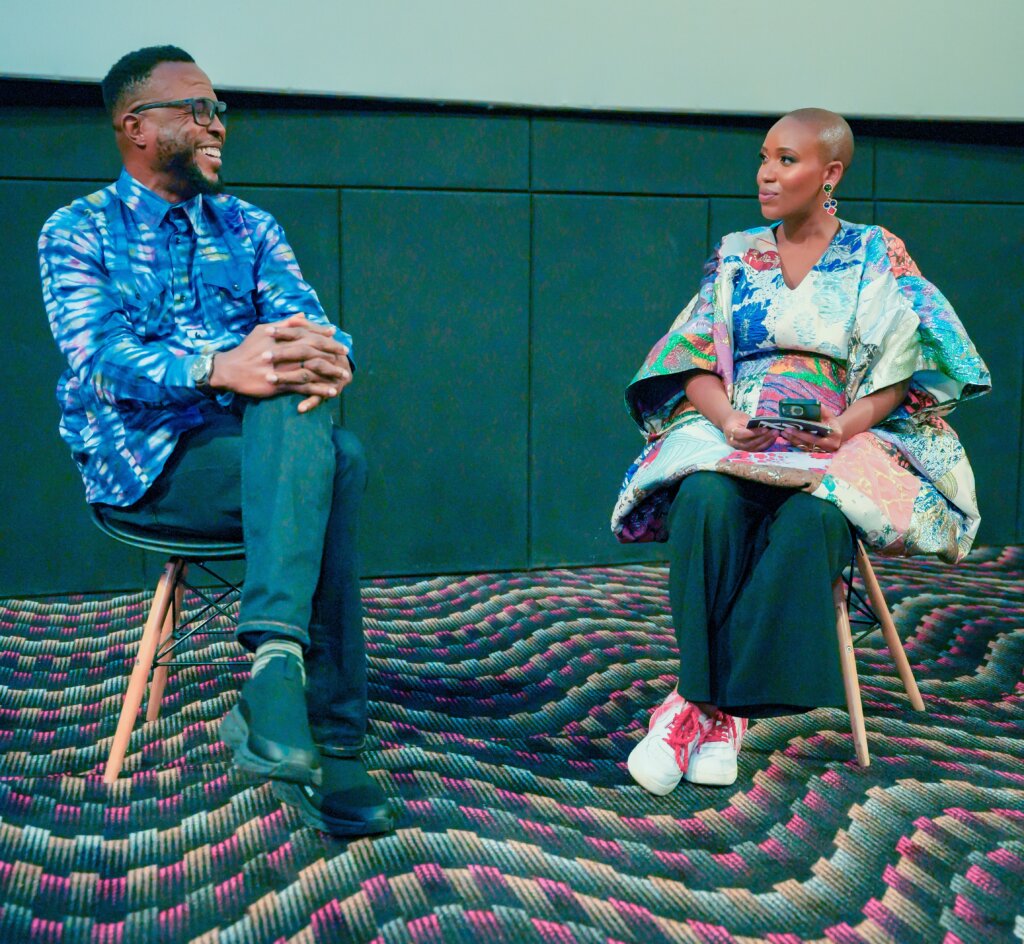
What she describes as “local for global” guides Screen Connect’s curatorial strategy: to elevate films that are both culturally grounded and thematically expansive. Yet, she notes, too many such films remain confined to the festival circuit. “They win awards and disappear, while cinemas are flooded with lighter fare. Comedy has its place, of course, but audiences deserve more variety.”
It’s also about bringing emotionally complex, socially reflective African cinema into mainstream theatres. “We want these stories to be seen where most people actually go to watch films not just niche venues, but everyday cinemas.”
Looking ahead, the team is already planning future releases. While Onwualu keeps upcoming titles under wraps, the intention is unmistakable. “We’re excited about what’s next,” she says. “But, as always, it depends on what our cinema partners are ready to support.”
Still, their ambitions are clear. “We’re currently looking at a diverse slate of films from across the continent – Nigeria, South Africa, Uganda, Cameroon, and more. One of our goals moving forward is to broaden both the regional spread of the films we source and the network of cinema partners we work with.”
When asked what legacy Screen Connect hopes to leave behind a decade from now, the answer is both clear-eyed and deeply aspirational: to have elevated the prestige of African cinema, not just in the stories being told, but in how those stories are received.
“There’s this idea that cinema is dying – but we don’t buy that,” says Onwualu. “It’s evolving, and we’re evolving with it.”
That evolution also means chasing commercial success for African films. “Filmmaking can’t just be for the passionate,” Onwualu notes. “It has to make economic sense.”
“When a Hollywood screenwriter spends six months writing in a castle in Italy, it shows in the work. We want African filmmakers to have that kind of creative freedom, to focus on storytelling, not survival,” she adds.
Onwualu hopes that Screen Connect will one day be recognized not just as a distributor, but as a builder of infrastructure, of belief, and of opportunity. “We want to be part of the movement that helped reimagine the business of African cinema, on African terms. A system that champions bold, beautiful stories and rewards the people who create them,” she says.
And as the economic tides shift and streaming giants like Netflix and Prime Video scale back on original content across Africa, a new question has emerged: what does the future of African film distribution look like when international players with deep pockets pull back?
The answer, Onwualu believes, lies in independent distribution, not as a replacement for major players, but as a nimble, intentional partner ready to meet the moment. “Independent distribution is becoming essential,” she says “We can’t rely solely on international platforms anymore. It’s time to build our own infrastructure, financing and distribution included.”
While big chains like Filmhouse or Canal Olympia dominate the market with models that prioritise scale and predictability, independent distributors like Screen Connect offer flexibility and a willingness to take creative risks. “We’re able to pause and say, ‘This film may not follow the usual commercial path, but it matters, and here’s how we can make it work,’” Onwualu explains.
This shift is already underway. A new wave of African filmmakers is pushing boundaries, exploring experimental forms, queer narratives, and deeply personal stories. But for these works to reach audiences, they need distribution partners who value storytelling over formula.
Audiences, too, are evolving. With growing exposure to global content – from K-dramas to Latin thrillers – African viewers are craving more diverse, thought-provoking cinema at home, made by Africans for Africans. In a recent survey done by Sinema Focus, respondents said they want to see more Kenyan films on the big screen, not just Hollywood films.
Screen Connect sees its role as a responsive conduit for this very present and urgent need, leveraging cinemas, community screenings, hybrid models, and culturally attuned campaigns to meet that demand without losing sight of local authenticity.
“We’re not here to replace the big players,” Onwualu emphasises. “But we are definitely here to stand alongside them, offering a different kind of muscle, and a lot more heart.”
EDITOR’S NOTE:
All reporting, interviews, and reviews on Sinema Focus are protected under international copyright law and the Kenya Copyright Act, 2001. No part of this publication may be reproduced, rewritten, republished, or redistributed in any form by media outlets without prior written consent. For reprint or syndication inquiries, contact editorial@sinemafocus.com.
©️ 2026 Sinema Focus / African Film Press. All rights reserved.
Never miss a moment.
Get the latest stories from Sinema Focus delivered straight to your inbox. Subscribe to our newsletter now.