
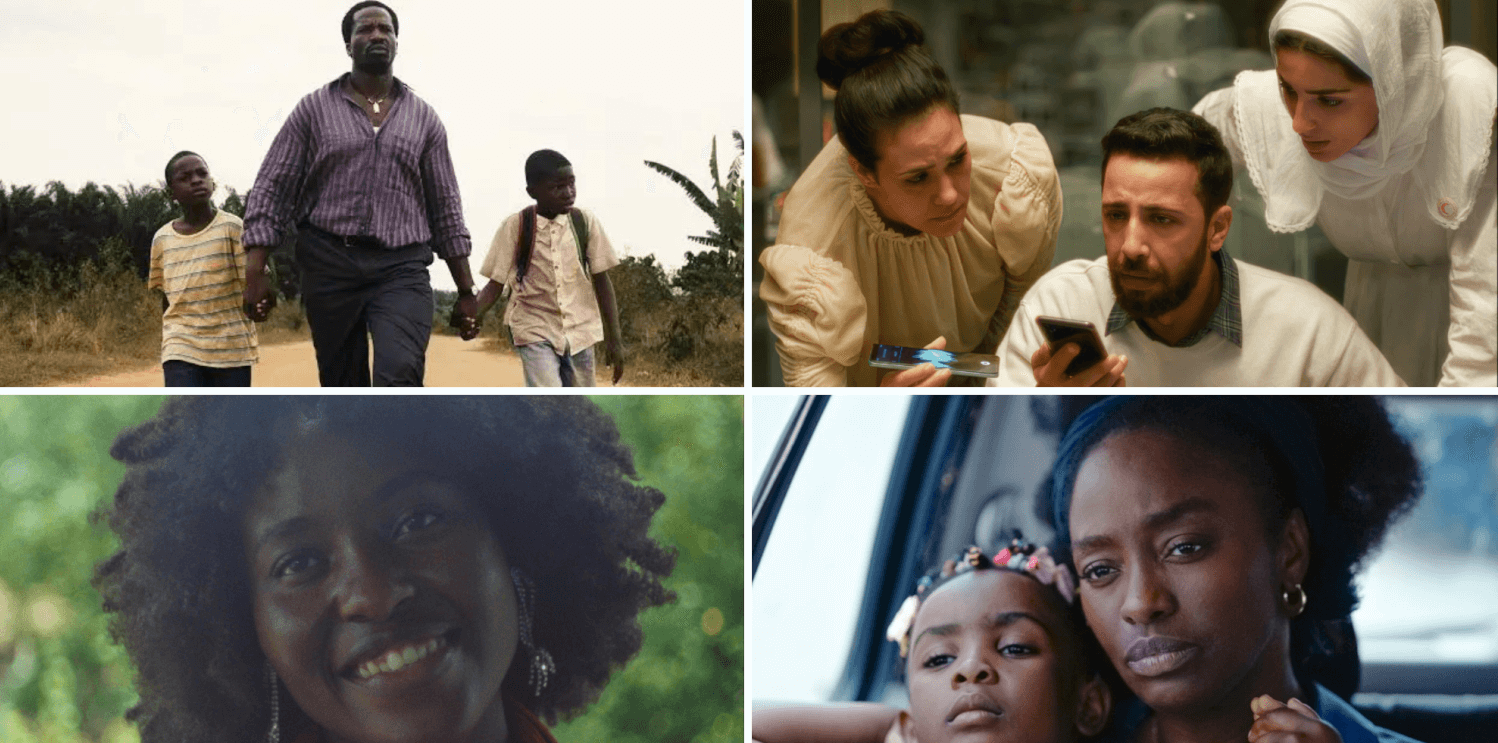
Despite the challenges that continue to persist across the continent – in funding, production, and distribution – African films in 2025 made a strong mark both on the global stage and at regional showcases. Even as players like Netflix acquired less African content, the year witnessed unprecedented representation of African stories and talent across major international festivals.
Locarno launched a four-year Africa-focused Open Doors cycle running through 2028. Both Toronto International Film Festival and Venice Film Festival recorded their largest-ever African presence across their programming. The Red Sea Film Festival expanded its support for African projects, with more African winners than ever before at the Red Sea Souk Awards. Nigeria made history with My Father’s Shadow becoming the country’s first official Cannes selection, while Kenyan sci-fi Memory of Princess Mumbi became the first-ever Kenyan feature to screen in Venice’s parallel section, Giornate degli Autori. Rwanda saw an uptick in productions in the final quarter of the year, driven by significant domestic funding initiatives. Madagascar made its first ever Oscars submission with Disco Afrika: A Malagasy Story.
Stay ahead of Kenya & East Africa’s film and TV.
Get our stories in your inbox — Subscribe to our newsletter now.
Across these milestones, and many more, our team watched more films from across the continent than ever. Below is a list of 16 best African films of 2025, as selected by six Sinema Focus critics.
‘My Father’s Shadow‘
Director: Akinola Davies Jr.
Country: Nigeria, U.K
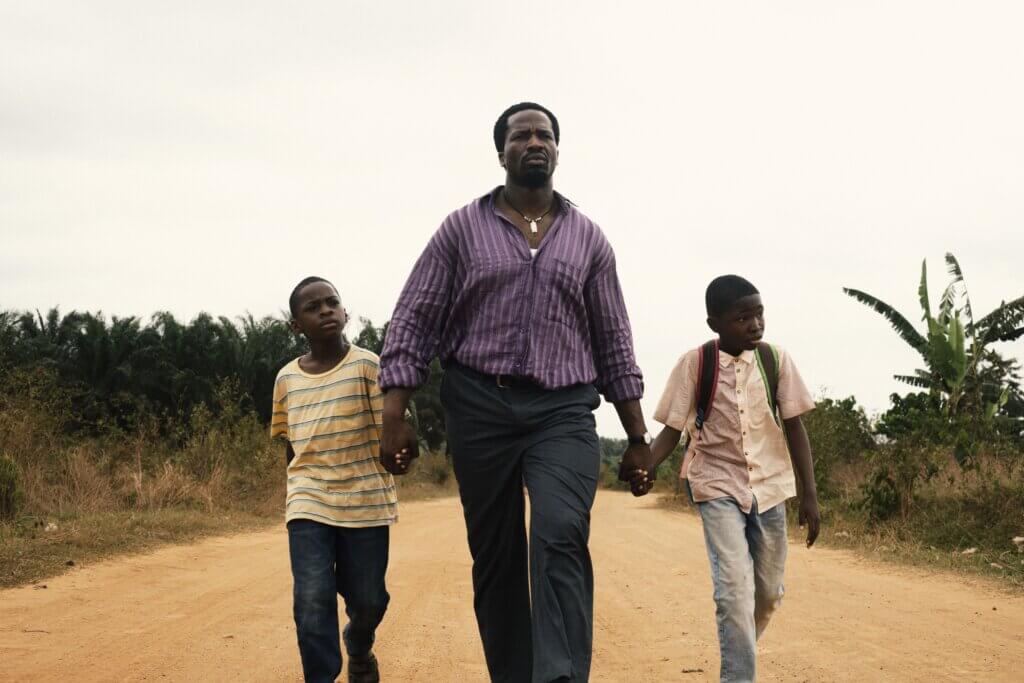
Though celebrated for decades for the sheer volume of films that have cemented cinema as a pillar of its cultural, historical, and economic heritage, it’s still surprising that Nigerian films have yet to find consistent success on the global stage. That may soon change with My Father’s Shadow.
The film carries the rich political and cinematic history of a nation, painting the hopes, regrets, and interconnected ties of both country and people with visceral sincerity. To the rest of the world, it offers a near-perfect window into the day-to-day realities of Africa that have remained stubbornly unchanged across decades, rendered through a contemporary stylistic lens. More importantly, across the continent, My Father’s Shadow forces a quiet, nostalgic reflection on what has been lost and what has had no choice but to endure.
– Kelvin Kariuki
Not just the best Nigerian or African film of the year, but the best film of the year, period. My Father’s Shadow is a lyrical swim through the memories of two young boys and their final trip with their absentee father across a harrowing socio-political moment in Lagos. The film plays in two ways: as a searing memory up close that can be sensed in every way, and as a fleeting recollection seen through the foggy veil of the past. It is cinema of memory at its finest, both uniquely personal yet deeply rooted to the tragedy of its era.
– Aneesh Raikundalia
Stories drawn from childhood memories often strike the deepest, because many of us share early traumas that shape who we become as adults. In My Father’s Shadow, Akinola Davies Jr. mines his own past, exploring his relationship with his father in the first Nigerian film to premiere in the Cannes Official Selection. The film follows two brothers as they spend a single day with their estranged father in Lagos, a city haunted by political failure and eruptions of violence that inevitably trap ordinary citizens. Though set in 1993, the film feels more relevant today than ever. Imagine it unfolding amid the election violence in Tanzania in 2025. It reminded me that cinema is transcendent.
– Mutiganda wa Nkunda
Read My Father’s Shadow review here.
‘The Voice of Hind Rajab‘
Director: Kaouther Ben Hania
Country: Tunisia, France
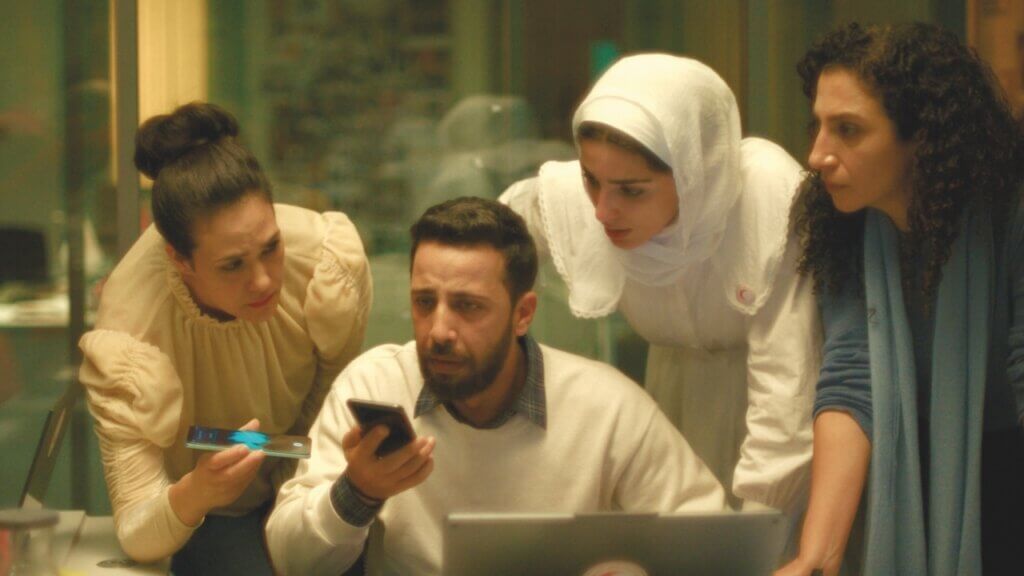
Though not telling an African story, The Voice of Hind Rajab, which reconstructs the harrowing true account of a Palestinian call centre aiding a young girl in distress during the Gaza conflict, carries the unmistakable resonance of the African plight.
In a year marked by war in Sudan, conflict in Congo, and political unrest across the continent, the film serves as a stark reminder of the victims too often reduced to statistics in headlines. Without the emotional narration of Schindler’s List or the visceral cinematography of Come and See, the film manages to plunge its audience into the horrors of war, and, more importantly, into the humanity that persists within it. It is a masterclass in tension, empathy, and the quiet power of the little moments in between. The Voice of Hind Rajab is the only African film shortlisted for Best International Feature at the 2026 Oscars.
– Kelvin Kariuki
Read The Voice of Hind Rajab review here.
‘Promised Sky’
Director: Erige Sehiri
Country: Tunisia, France, Qatar
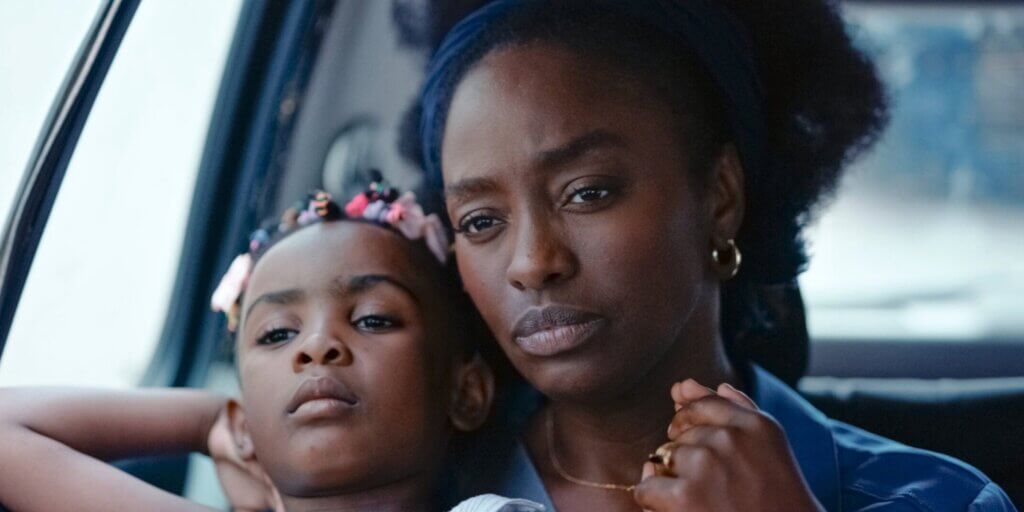
In her second fiction feature, Tunisian filmmaker Erige Sehiri presents Tunis as a city openly hostile to Sub-Saharan migrants. Drawing from her documentary roots, Sehiri blurs the line between fiction and lived reality. The result is a film that feels painfully authentic, turning Promised Sky into a harrowing and necessary cinematic experience, no wonder Bong Joon-ho’s jury awarded it the Gold Star at the 2025 Marrakech Film Festival.
When I spoke with Sehiri at the Apt African Film Festival, where the film sold out all its screenings, I asked her how closely the events mirrored reality. She told me the current climate in Tunis is far more harrowing than portrayed. Due to Europe’s immigration crisis, North Africa now serves as the checkpoint service for Europe, making the film’s realities feel even more troubling.
– Mutiganda wa Nkunda
In a year where the Best Picture Oscar winner was Anora, it was refreshing to see echoes of Sean Baker’s style or Andrea Arnold’s social realism refracted through an African narrative. Promised Sky is exactly that, perhaps without the flamboyance, but with strong political undertones to make up for it. Following four generations of women forced under one roof – one lost, one passing through, one desperate to leave, and a matriarch holding everything together – the film balances the many facets of these women’s lives. Their hopes, struggles, and pain illuminate Tunisia’s racial and political tensions with complexity and realism, while celebrating the love and togetherness forged despite it all.
– Kelvin Kariuki
Erige Sehiri uses space in profound ways to depict the paranoia-laced struggle of Sub-Saharan African migrants in Tunisia. Whether together or apart, the women at the film’s centre are constantly suffocated by the world they inhabit. Between roving camerawork and tightly framed shots, Promised Sky makes it clear that despite the openness of the sky above, the land below continues to keep them chained to the fear of never being free.
– Aneesh Raikundalia
Promised Sky centres on three Ivorian women whose shared apartment on the outskirts of Tunis becomes a fragile sanctuary, its balance disrupted when they shelter a young girl who survives a Mediterranean shipwreck. As state crackdowns on undocumented migrants intensify worldwide, Sehiri traces how solidarity is strained yet deepened under distress, and how autonomy is negotiated in an increasingly hostile world. A deeply human portrayal of migrant life, Promised Sky is a film that is urgently tethered to the present state of the world.
– Frank Njugi
Read Promised Sky review here.
‘Memory of Princess Mumbi’
Director: Damien Hauser
Country: Kenya, Switzerland, Saudi Arabia
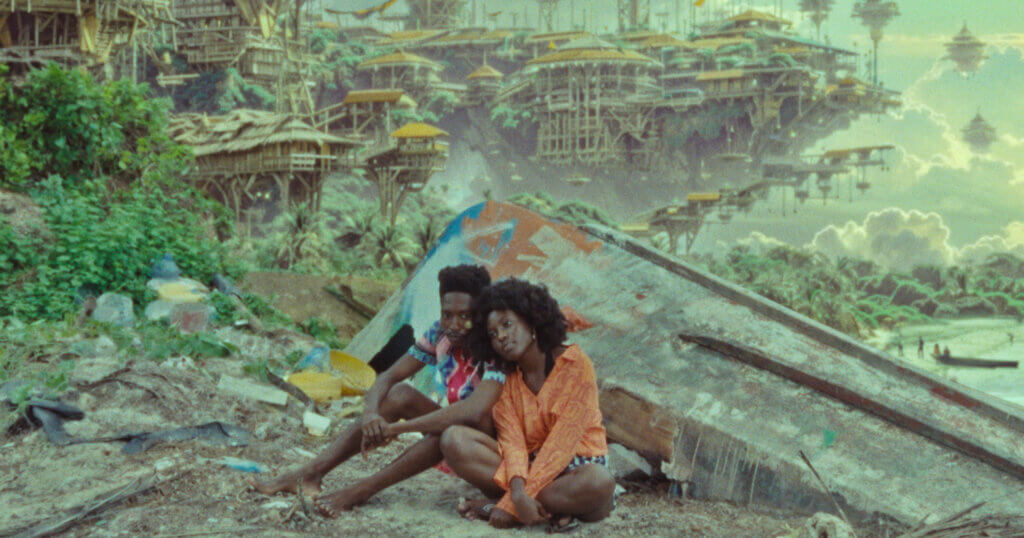
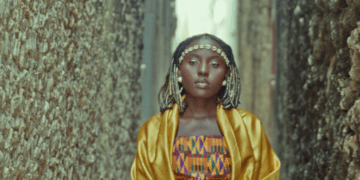
At a time when much of modern Hollywood sci-fi feels sterile and algorithmic, dominated by reboots and sequels, it is comforting to see Africa’s contribution to the genre arrive as an original, necessary, and grounding counter-narrative. Set in 2093, Memory of Princess Mumbi fuses coastal warmth with the digital architecture of artificial intelligence, crafting a world that feels both like a distant dream and a returning memory.
AI is surely going to be a major topic in the coming years as it continues to reshape both industrial and creative labour infrastructures. Even though the general public is either bemused or frowning over the unexceptional slop that continues to churn from it, this film might be one of the best examples for proponents of the technology as a tool to bridge technical limitations rather than replace human creativity.
– Kelvin Kariuki
Memory of Princess Mumbi feels distinct from the usual homegrown crop we are treated to in Kenya. Its use of AI in the visual design allows Damien Hauser to achieve what would otherwise require massive CGI budgets. Technological debates aside, the film is a heartfelt fantasy that feels like it was cooked up in the brain of a deeply sentimental history major. Despite its magnifying use of AI, the mockumentary often feels like a small drama. Some of the world surrounding the characters may have been generated through prompts, but the emotions evoked by the character and story remain unmistakably human.
– Churchill Osimbo
Read Memory of Princess Mumbi review here.
‘Ancestral Visions of the Future’
Director: Lemohang Mosese
Country: Lesotho, France, Germany, Qatar, Saudi Arabia
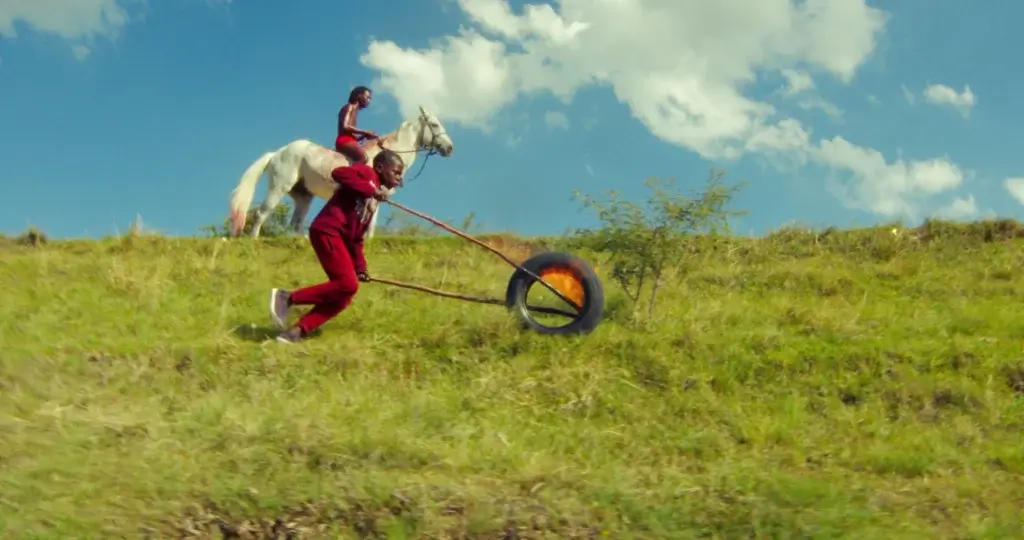
Lemohang Mosese has once again made a film only Lemohang Mosese could make. Following Mother, I Am Suffocating. This Is My Last Film About You and This Is Not a Burial, It’s a Resurrection, Mosese returns with a deeply poetic meditation on exile, memory, and belonging. Once again, Lesotho and his mother sit at the heart of the work. The film reminds us that cinema is an ocean of endless possibilities, and Mosese navigates it with rare freedom. One segment that stayed with me features a woman barking (I guess I share this with many), an unsettling metaphor that powerfully suggests how colonial violence continues to haunt us, no matter how independent we claim to be as a continent.
– Mutiganda wa Nkunda
‘Allah is Not Obliged’
Director: Zaven Najjar
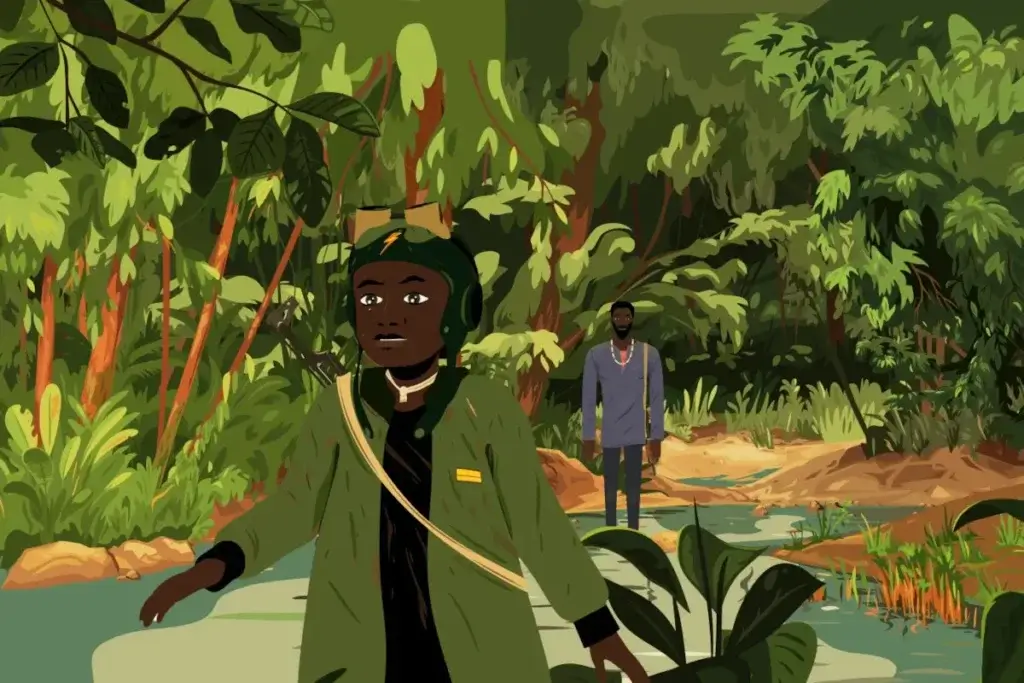
Although produced by European countries, Allah Is Not Obliged is an African story based on a book of the same name from Ivorian novelist Ahmadou Kourouma. Rendered in a glass-like, painterly 2D animation style, this film traverses the violent history of West Africa’s civil war through the eyes of a child soldier. It is a story that yearns for hope for the children without shying away from the horrors that fracture innocence. Everything is felt with double impact from the child protagonist’s lens with the vividness of its fluid animation, adding to the irony of the world it is steeped in.
– Aneesh Raikundalia
‘Calle Malaga’
Director: Maryam Touzani
Country: Morocco
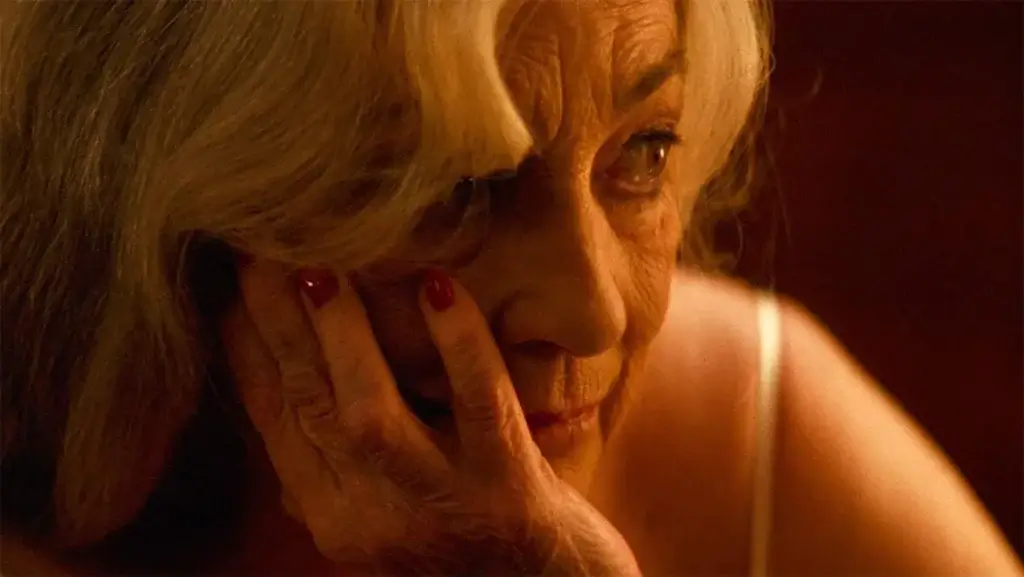
Maryam Touzani’s latest film follows Maria, a 79-year-old lifelong resident of Tangier whose carefully tended solitude is shattered when her daughter arrives from Madrid, intent on selling the apartment that defines her sense of self. The Moroccan writer-director, following her Oscar-shortlisted 2022 queer drama The Blue Caftan, frames Maria’s resistance as a late-life awakening, allowing her to rediscover herself against expectation. Warm and deeply humane, the film reframes displacement as both personal and political.
– Frank Njugi
‘Memories of Love Returned’
Director: Ntare Guma Mbaho Mwine
Country: Uganda, USA
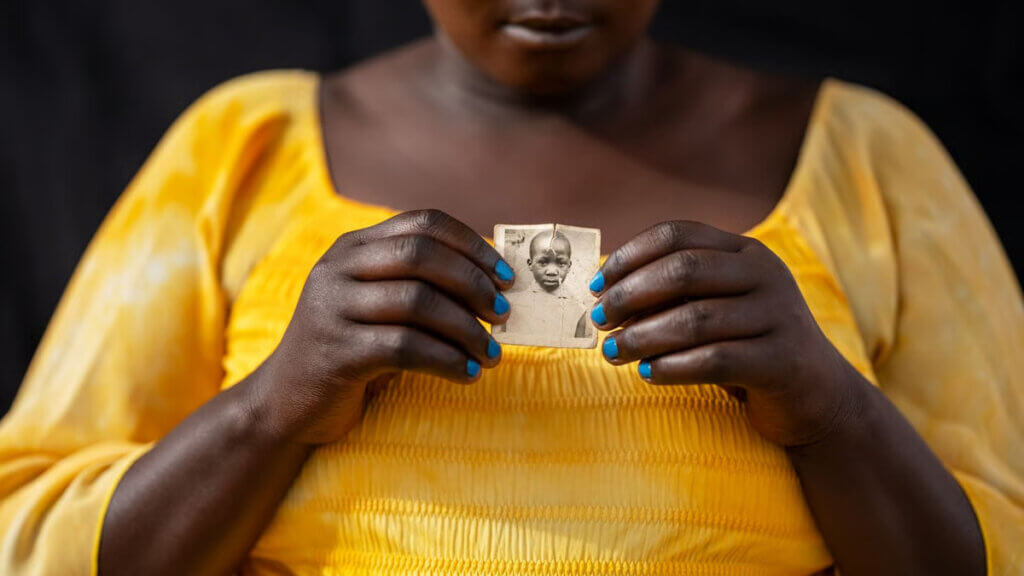
Memories of Love Returned is a profoundly moving documentary that began with a chance encounter in rural Uganda and evolved into a 22-year exploration of memory, community, and the power of photography. Director Mwine uncovers the legacy of village photographer Kibaate Aloysius Ssalongo, whose archive of portraits becomes a living bridge between past and present, as neighbors and families rediscover long-lost images and reconnect with moments once thought forgotten. Through tender recreations, archival footage, and intimate interviews, the film honours both Ssalongo’s legacy and the universal human impulse to remember, offering a meditation on time, love, and cultural heritage that resonates far beyond its Ugandan setting.
– Tonny Ogwa
Memories of Love Returned plays as a poignant dialogue between two Ugandan artists, one living and the other remembered, offered as a solemn, humble tribute to the captured intimacy of black-and-white photography. It is a film every East African should see at least once, serving as a touching reminder of the histories held within photo albums passed down or abandoned, and of the profound beauty of stories that survive not only through images, but through the shared experiences they continue to evoke.
– Kelvin Kariuki
Read Memories of Love Returned review here.
‘Muganga, The One Who Treats’
Director: Marie Roux
Country: DR Congo
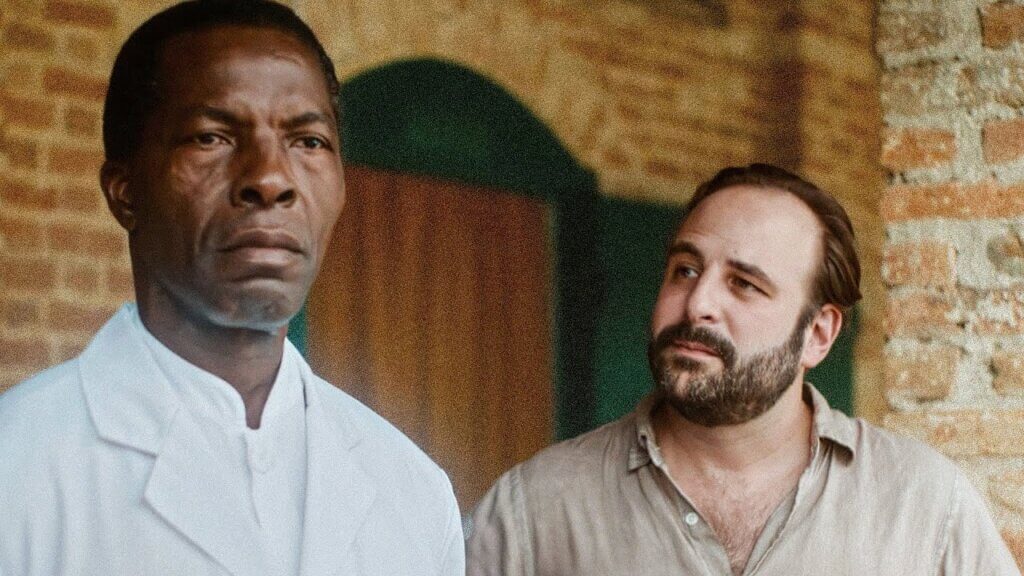
Perhaps the most poignant narration of an African life this year, Muganga, The One Who Treats compresses the life and labour of Congolese humanitarian Dr. Denis Mukwege into a film that explains how repetition is the true shape of atrocity. Set against the Congolese civil war, the film tells the story of Mukwege as he treats thousands of women brutalized by sexual violence, working under constant threat and sustained only by a stubborn humanism and, eventually, by his encounter with Belgian surgeon Guy Cadière. The film resists grandstanding, opting instead for emotional clarity. In doing so, it honours Mukwege’s fight, denouncing the systematic violence inflicted on Congolese women, and asserting care itself as a radical, life-preserving act.
– Frank Njugi
‘Khartoum’
Directors: Anas Saeed, Rawia Alhag, Ibrahim Snoopy Ahmad, Timeea Mohamed Ahmed, Philip Cox
Country: Sudan, U.K, Germany, Qatar
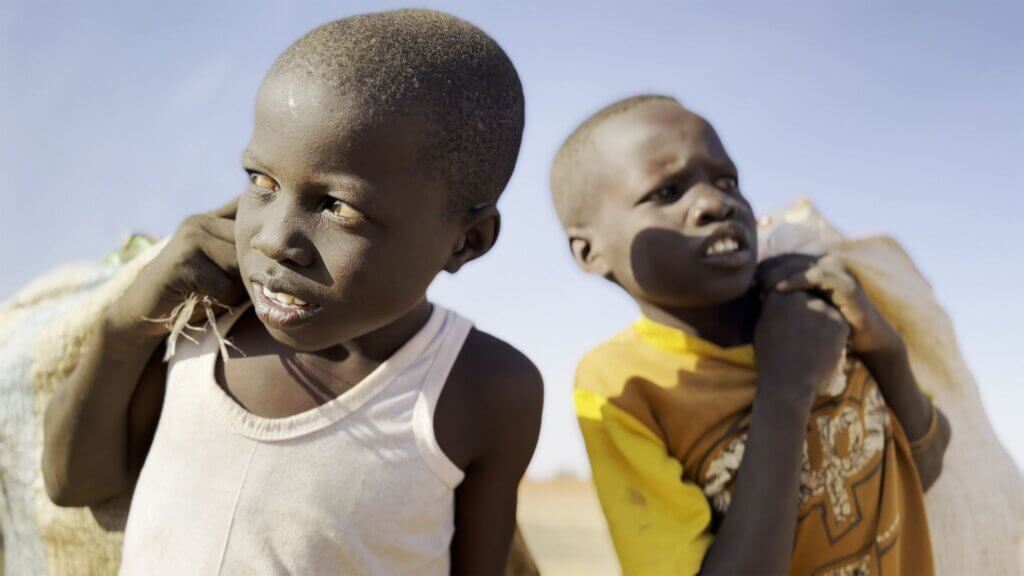
Five Sudanese filmmakers in exile – Anas Saeed, Rawia Alhag, Ibrahim Snoopy Ahmad, and Timeea Mohamed Ahmed – together with British filmmaker Philip Cox, who serves as creative director, come together to document war and displacement in one of the most innovative African documentaries in recent years. Khartoum combines green-screen techniques with staged and real images to reconstruct the experiences of Sudanese refugees fleeing the ongoing war.
Khartoum is a political statement. Even when politics betray the very citizens they are meant to protect, creativity remains a powerful weapon. The film affirms that filmmaking is a universal right and that, no matter where you find yourself, creativity is an essential tool for raising your voice and telling your story.
– Mutiganda wa Nkunda
‘Matabeleland’
Director: Nyasha Kadandara
Country: Zimbabwe, Kenya, Botswana
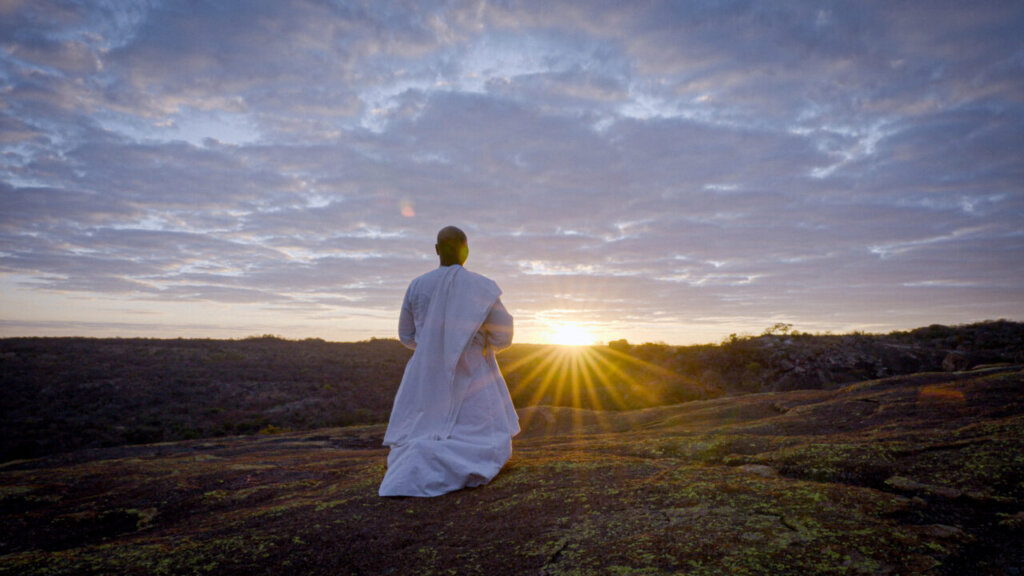
Matabeleland earns its place on this list by doing what few political documentaries manage: peeling back the masculine tribulations of fatherhood and national trauma without ever losing its sense of warmth. While the film grapples with the heavy political dichotomy that fractured Zimbabwe, the beauty underneath, the radiant, matured intimacy of its main subjects, provide more context for this discourse better than a historic breakdown. By allowing politics to exist largely as a backdrop to a deeply human story of love, grief, faith, family and legacy, Matabeleland makes its modest hour-long runtime feel far more expansive.
– Kelvin Kariuki
Read Matabeleland review here.
‘The Eyes of Ghana’
Director: Ben Proudfoot
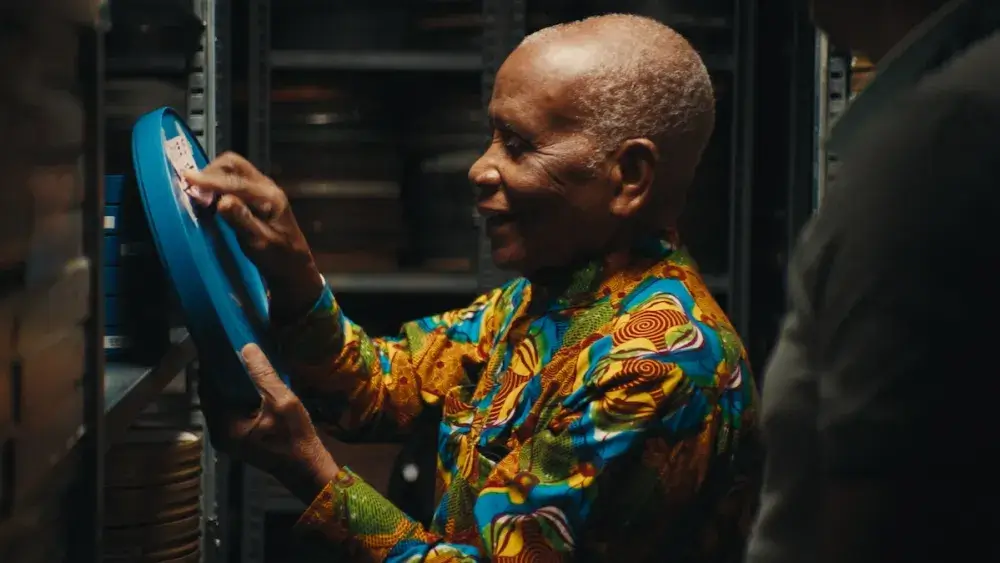
Though an American documentary, The Eyes of Ghana tells a Ghanaian story, following veteran Ghanaian cinematographer Chris Hesse as he races against time and failing eyesight to preserve and restore an invaluable archive of films chronicling Ghana’s early years of independence – material nearly lost after political upheaval. The film weaves Hesse’s personal journey with broader historical and cultural reflection, celebrating his lifelong commitment to cinema as both art and historical testimony while emphasizing the power of film to shape national memory and identity.
– Tonny Ogwa
Read ‘The Eyes of Ghana’ review here.
‘Carissa’
Directors: Jason Jacobs, Devon Delmar
Country: South Africa
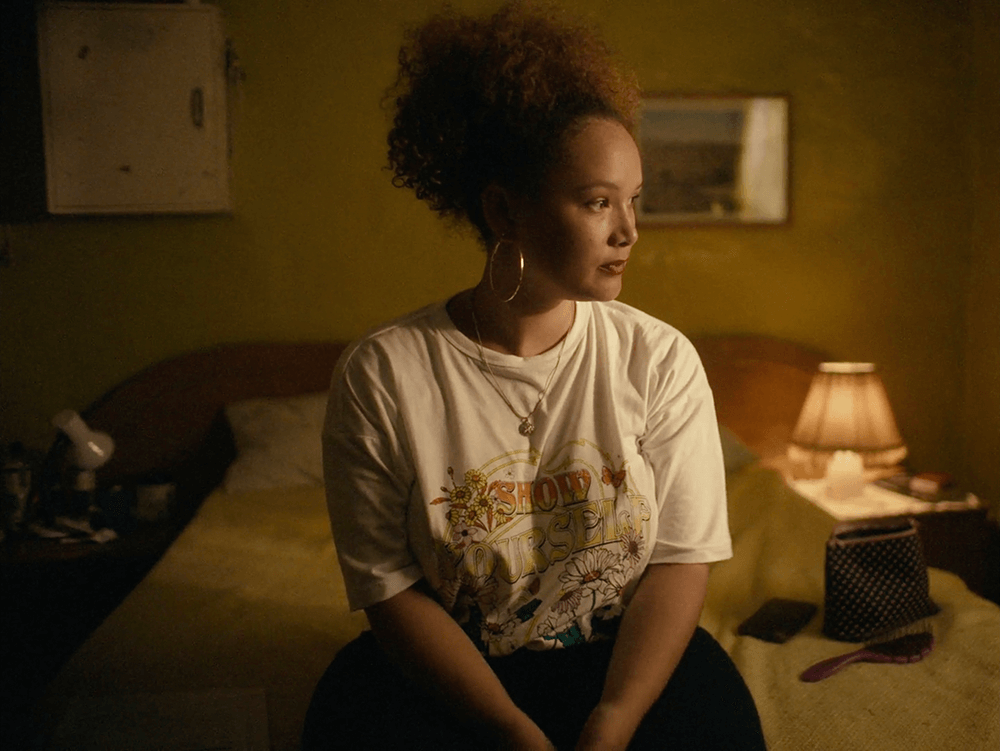
Although it first surfaced on the festival calendar with its Venice premiere in September 2024, Carissa ultimately announced itself as a 2025 film, even receiving a nationwide theatrical release in South Africa in September 2025.
A coming-of-age drama about a young woman caught between urban aspiration and ancestral obligation in a village in the Cederberg Mountains of the Western Cape, Carissa marks a strong debut from writer-director duo Jason Jacobs and Devon Delmar. The filmmakers excel in authenticity as the film features local non-professional actors playing versions of their own lives, lending it both its quiet beauty and its sensitive portrayal of an often-overlooked community.
– Frank Njugi
‘Mothers of Chibok’
Director: Joel Kachi Benson
Country: Nigeria
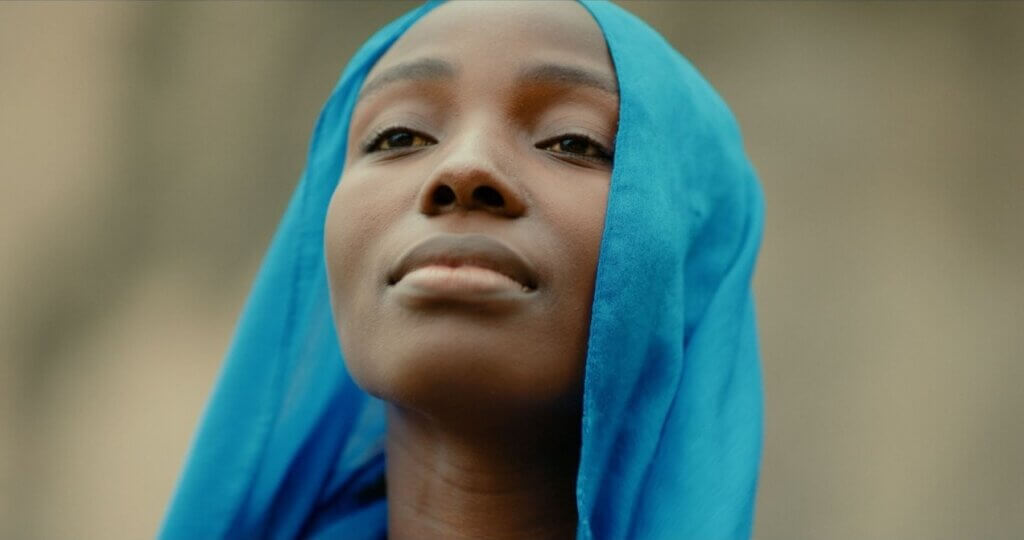
If The Voice of Hind Rajab captures the immediate, suffocating horror of conflict, Mothers of Chibok is the long, quiet exhale that follows a decade later. Joel Kachi Benson returns to a community torn apart by the 2014 abductions of the Chibok girls. Rather than chasing the sensationalism of the #BringBackOurGirls campaign which would be an easy draw, especially as school girls kidnappings in Nigeria continue to this day, Benson turns his lens toward the women left behind by these cyclical news headlines.
Documenting the mothers who continue to farm, work, and wait, Benson crafts a film that honours the missing through those who carry their memories every day. Though bound by a tragedy that once echoed around the world, the film finds an inspiring undercurrent in its observation of daily life: the highs and lows of subsistence farmers who make up much of the African population.
– Kelvin Kariuki
Read Mothers of Chibok review here.
‘Aisha Can’t Fly Away’
Director: Morad Mostafa
Country: Egypt, Sudan, Tunisia, Qatar, Saudi Arabia, Germany
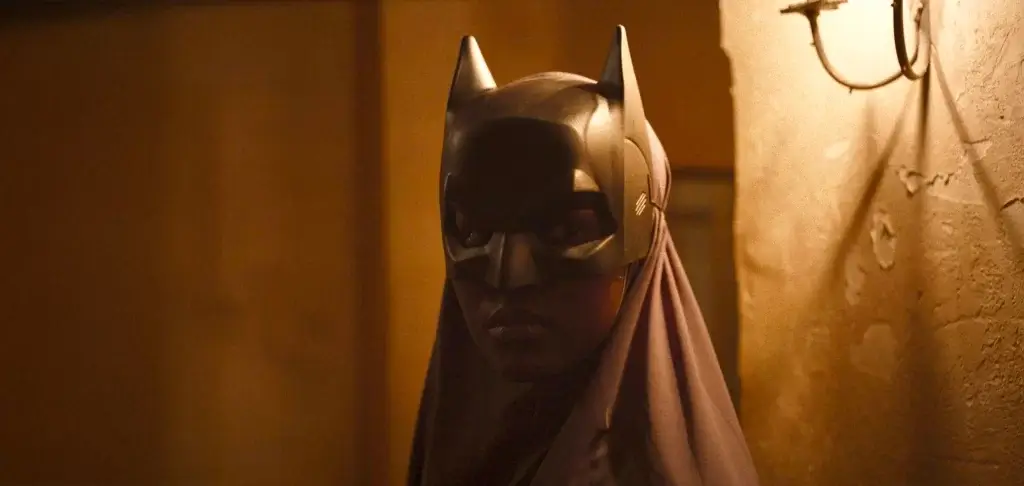
Morad Mostafa’s 2025 debut feature Aisha Can’t Fly Away follows Aisha, a 26-year-old Sudanese nurse adrift in Cairo’s unforgiving Ain Shams district. Anchored by Buliana Simon’s exquisite performance, the film captures immigrant life as a condition of endurance. Drawing on Mostafa’s intimate knowledge of the neighbourhood, rendered through Mostafa El Kashef’s claustrophobic cinematography, the film deftly blends social realism with touches of surrealism and body horror, externalizing Aisha’s psychological fracture without sacrificing its emotional core.
– Frank Njugi
Read Aisha Can’t Fly review here.
‘Sayari’
Director: Omar Hamza
Country: Kenya

As noted in our earlier review, Sayari’s greatest strength is that it isn’t attempting to reinvent the wheel. It is a rom-com keenly attuned to the rhythms of Kenyan dating culture and fully aware of the genre’s archetypes and tropes. With a serene setting, a genuinely hilarious meet-cute, and two characters navigating their own emotional wounds to find each other, the film is sweet and cheesy in the best ways you’d expect a film like this to be, a feel-good escapism that Kenyan audiences need.
– Aneesh Raikundalia
EDITOR’S NOTE:
All reporting, interviews, and reviews on Sinema Focus are protected under international copyright law and the Kenya Copyright Act, 2001. No part of this publication may be reproduced, rewritten, republished, or redistributed in any form by media outlets without prior written consent. For reprint or syndication inquiries, contact editorial@sinemafocus.com.
©️ 2026 Sinema Focus / African Film Press. All rights reserved.
Never miss a moment.
Get the latest stories from Sinema Focus delivered straight to your inbox. Subscribe to our newsletter now.