

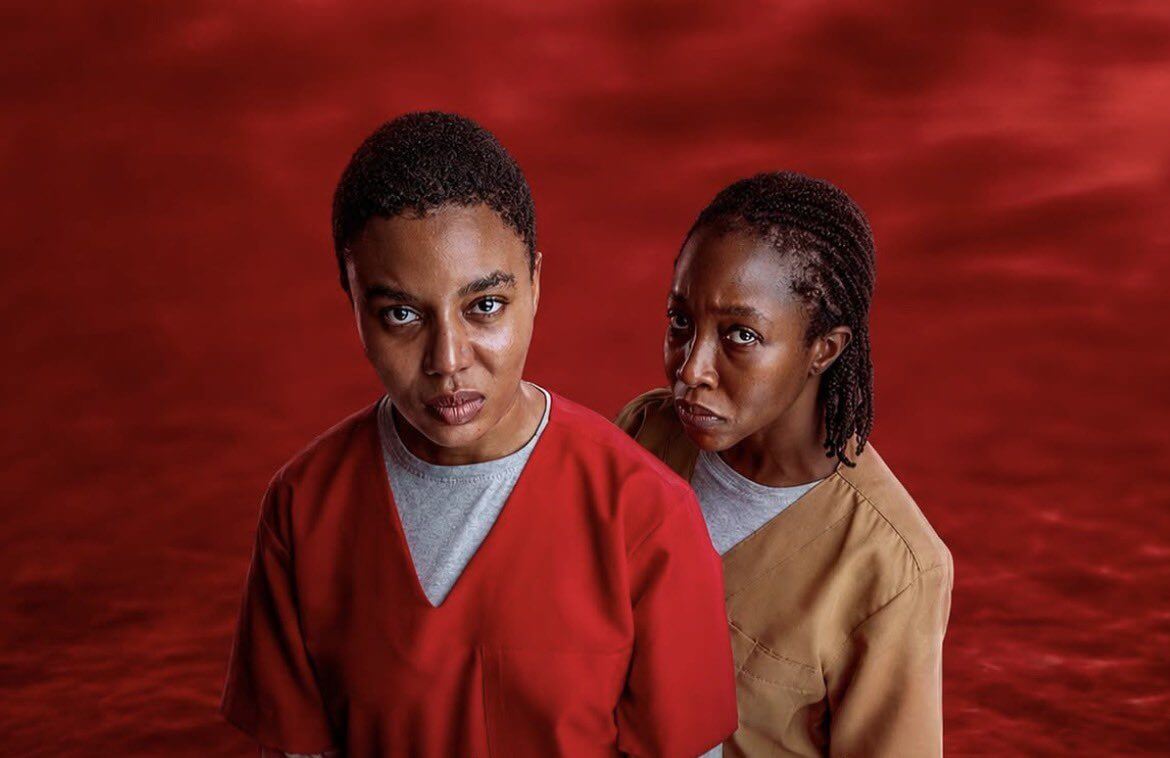
When Blood Sisters premiered on Netflix in 2022, it was the platform’s first Nigerian Original series, and for a week at least, it felt like proof that Nollywood’s moment to burst out of its self-isolating markets and onto the global stage had finally arrived. With viewership akin to the much more established South African pipeline, the show carried a literary seriousness that set it apart from Nollywood stereotypes while retaining much of its entertainment appeal.
Nearly three years after its debut, Blood Sisters returns for a second season under the new direction of Daniel Oriahi and Kayode Kasum, at a time when Netflix has meaningfully pulled back from Nigerian commissions. In this context, it’s surprising to see just how much the initial promise of Nigerian productions on the global streaming market has petered out, with the show now feeling like a fragment of what endured
Stay ahead of Kenya & East Africa’s film and TV.
Get our stories in your inbox — Subscribe to our newsletter now.
Coming off a first season that was a fast-paced cat-and-mouse chase following two best friends, Sarah (Ini Dima-Okojie) and Kemi (Nancy Isime), after a wedding-day scuffle ended in tragedy, Blood Sisters season two picks up immediately after the events of its predecessor, forcing the two women to reckon with their actions. Keeping to the same balancing act of affluent family squabbles and the kinetic rhythm of crime shows that Netflix thrives on, the second season is forced to realign the chess pieces of what had initially appeared to be a one-season miniseries while carving out its own path forward.
For a show named Blood Sisters about best friends thrust together in calamity, the first season was more about circumstantial association, with the two women united primarily by survival in a world working against them at every turn. And while season one grappled with gender-based violence, manipulative family dynamics, and the cycles of abuse that beget violence, the second season struggles to find a footing beyond those initial themes, repeating much of its former success with simple tweaks.
That being said, season two does manage to flesh out the relationship between Sarah and Kemi into a much more adversarial territory as their loyalties to each other are tested. Both Okojie and Isime have had to guide their characters through dramatic transformations, and neither actress ever appears out of her depth emotionally. The supporting cast also pull their weight, particularly Kate Henshaw, who puppets the underdeveloped political and emotional gravity of everything and everyone around her.
Inside a diluted courtroom, gang-affiliated prison halls and opulent mansions, the show attempts to expand from the regrets and consequences of the first season’s cliffhanger. Yet across its four episodes, it skips and retracts so much of its own logical progression to keep its characters inside the same dramatic framings. There are flashbacks here and there for every loose thread being tugged, but it’s disappointing that at the end, so much of the evolution within this season just brings the characters back to where the previous season left them.
It’s almost the blueprint for an African Netflix series to begin its second season with its protagonist, often a woman, in prison before spending several episodes concocting the most ridiculous way to set them free just so that the plot can go back to plan. I was looking forward to seeing which diversion Blood Sisters would employ and was pleasantly surprised that the show not only remained within the sordid environs of the prison but also used it to fracture the loyalties of its two central characters.
With a new writers’ room and production direction, the show genuinely feels connected to the roots it inherits in terms of character and plot, yet now constrained by less eccentric flair. As a result, the cinematography and sets have to make the most of limited room. The prison scenes in particular are visually immersive, with their politics and textures feeling fully lived in. By contrast, the Ademola family – from its cuckold subplot to the uneventful emergence of B Jr. (Ben Touitou) in place of his slain father Uncle B (Ramsey Nouah) – remains stunted but still offers its fair share of intrigue.
Despite being riddled with the usual hijinks, inconsistencies, plot holes and questionable character decisions, Blood Sisters season two, much like its first season, contains enough lucid moments to suggest a degree of respect for its audience. Eight hours spread across two seasons may seem like a lean undertaking for a Netflix series, but what the show loses through erratic pacing, it makes up for in a compelling mess of emotional complexity steered by its two leads. Blood Sisters is not exemplary in any respect, but it nonetheless makes a good case for Nollywood’s streaming ambitions.
EDITOR’S NOTE:
All reporting, interviews, and reviews on Sinema Focus are protected under international copyright law and the Kenya Copyright Act, 2001. No part of this publication may be reproduced, rewritten, republished, or redistributed in any form by media outlets without prior written consent. For reprint or syndication inquiries, contact editorial@sinemafocus.com.
©️ 2026 Sinema Focus / African Film Press. All rights reserved.
Never miss a moment.
Get the latest stories from Sinema Focus delivered straight to your inbox. Subscribe to our newsletter now.