

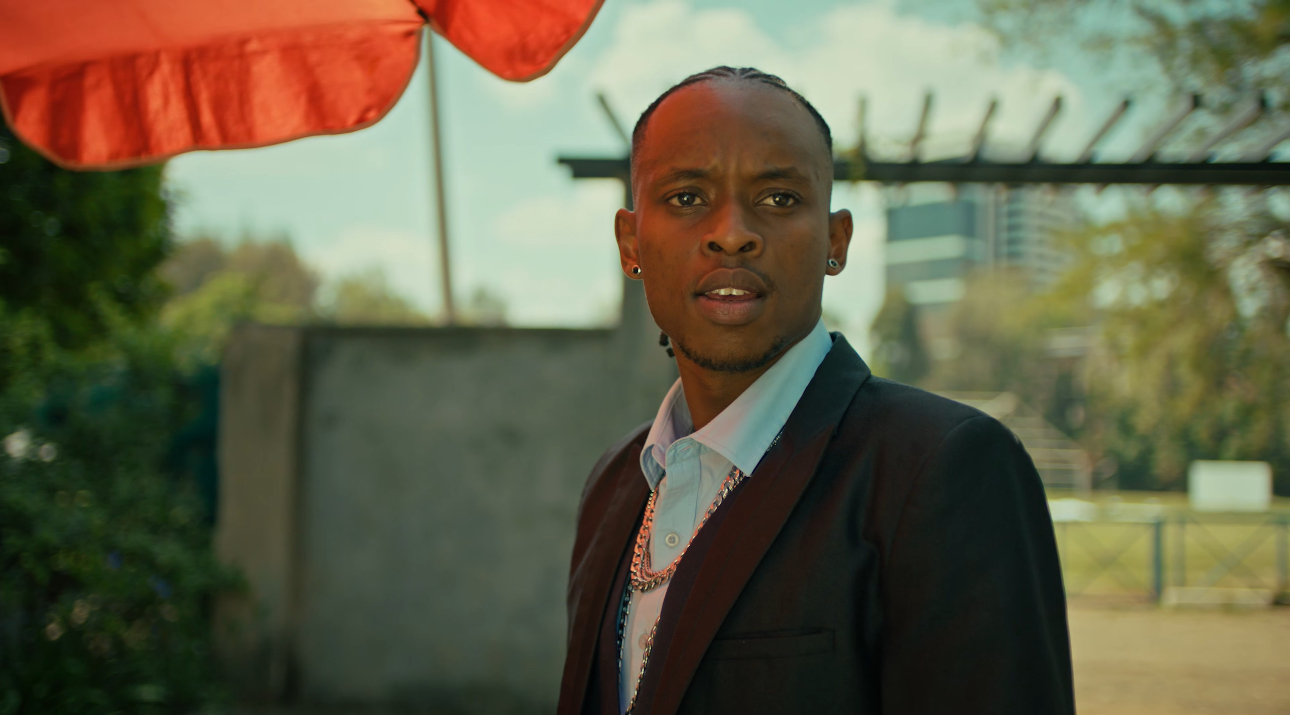
The first season of MTV Shuga Mashariki was, to put it bluntly, a misfire. In my review of its opening three episodes, I described just how badly it faltered, and my fear that the rest of the season would continue spiralling in that defective direction proved accurate. The show only grew louder and more repulsive in the way it flung its characters around without regard for narrative intent, positioning them next to one another merely to farm choreographed, reel-ready moments.
With season two now rolling out, my expectations remain modest, yet there is, at least from the first two episodes made available for review, the semblance of a corrective effort.
Stay ahead of Kenya & East Africa’s film and TV.
Get our stories in your inbox — Subscribe to our newsletter now.
Picking up from the fractured remains of last year’s finale, the second season appears almost cognizant of the rushed circumstances its hastily paced narrative had left its characters in, and the impossibly implausible task of continuing in that stride. There is an immediate recalibration as the series begins to reconfigure characters who previously felt like lazy caricatures, allowing them to settle into something more grounded. To think that in season one, once character was a rugby captain chasing MVP status, the big brother of a girl in a forced marriage, a hustler in a hotel, living with HIV, caught in a love triangle with a girl and her roommate, and potentially a father, yet somehow still so dramatically diminished. Season two’s narrative sheds several of its loudest excesses and the many bloated peripheral arcs like the coastal love affair that went nowhere, creating breathing room for the central ensemble to develop with greater emotional coherence.
There are also new additions to the cast, including Vanessa Okeyo, who led Tuki, another edu-YA series that executed the genre’s mandate with far more narrative discipline than MTV Shuga Mashariki managed in its first outing. Okeyo’s presence is still moderate within the show, but it injects a different energy into the ensemble that’s less declarative and more lived-in, reflecting the show’s growing confidence.
For the returning cast, the shift is even more noticeable. It is unexpectedly endearing to spend time with these characters after the chaos of season one and witness the subtle recalibrations in their performances – less reactive to a constantly changing story and more willing to sit with the consequences. For instance, the campus radio host played by Julie Brenda Nyambura, whose first-season portrayal often felt like a loud mouthpiece for corporate mandates rather than a fully realised character, is now written and performed with greater vulnerability, replacing her lashing-out didactic exposition with emotional texture.
This renewed focus extends to the show’s thematic architecture. Without the clutter of political, educational and cultural bullet points crammed into every episode, and without the compulsive need to represent every possible romantic permutation simultaneously, the narrative feels less suffocated. Parents cease to function merely as walls for their children to punch against and begin to resemble caregivers. The sexual gravity orbiting these young adults is treated with marginally more seriousness and consequence, and the series is finally beginning to show interest in interiority rather than mere spectacle.
That said, not everything from season one is salvageable. The finale’s rushed attempt to stitch together an underdeveloped murder mystery resulted in a twist villain who was almost immediately thrown off a cliff for dramatic effect. Rather than abandon that narrative misstep, season two is self-aware enough to make the bold decision to interrogate it further by adding another twist to the twist. Whether this proves redemptive or self-sabotaging will largely determine how the remainder of the season, and perhaps the series as a whole, is ultimately perceived. It is still early to say, but school-based dramas, from Riverdale to Blood & Water, succeed or collapse based on their ability to sustain tension beyond romantic entanglements when crime subplots take centre stage. For MTV Shuga Mashariki, the question remains whether its 20-minute format can support that structural weight without defaulting to sensational shortcuts on heavy topics such as the sexual assault it depicts.
Season two is undeniably more focused and grounded than its predecessor. By trimming itself to the essentials, the show begins to bridge the gap between its visual eccentricities and its narrative ambitions. It still produces a fair number of uncomfortable winces here and there in its dialogue and character choices, but it now offers moments of vulnerability and flamboyance that feel earned. There are still many episodes to come, and it may yet fall back into its bad tendencies, but from what I’ve seen so far, I’m not as pessimistic.
MTV Shuga Mashariki Season 2 airs on Citizen TV every Tuesday, with episodes also available on YouTube every Wednesday. For more Kenyan, African and international films and TV shows to keep up with this year, explore our What to Watch guide, updated weekly.
EDITOR’S NOTE:
All reporting, interviews, and reviews on Sinema Focus are protected under international copyright law and the Kenya Copyright Act, 2001. No part of this publication may be reproduced, rewritten, republished, or redistributed in any form by media outlets without prior written consent. For reprint or syndication inquiries, contact editorial@sinemafocus.com.
©️ 2026 Sinema Focus / African Film Press. All rights reserved.
Never miss a moment.
Get the latest stories from Sinema Focus delivered straight to your inbox. Subscribe to our newsletter now.